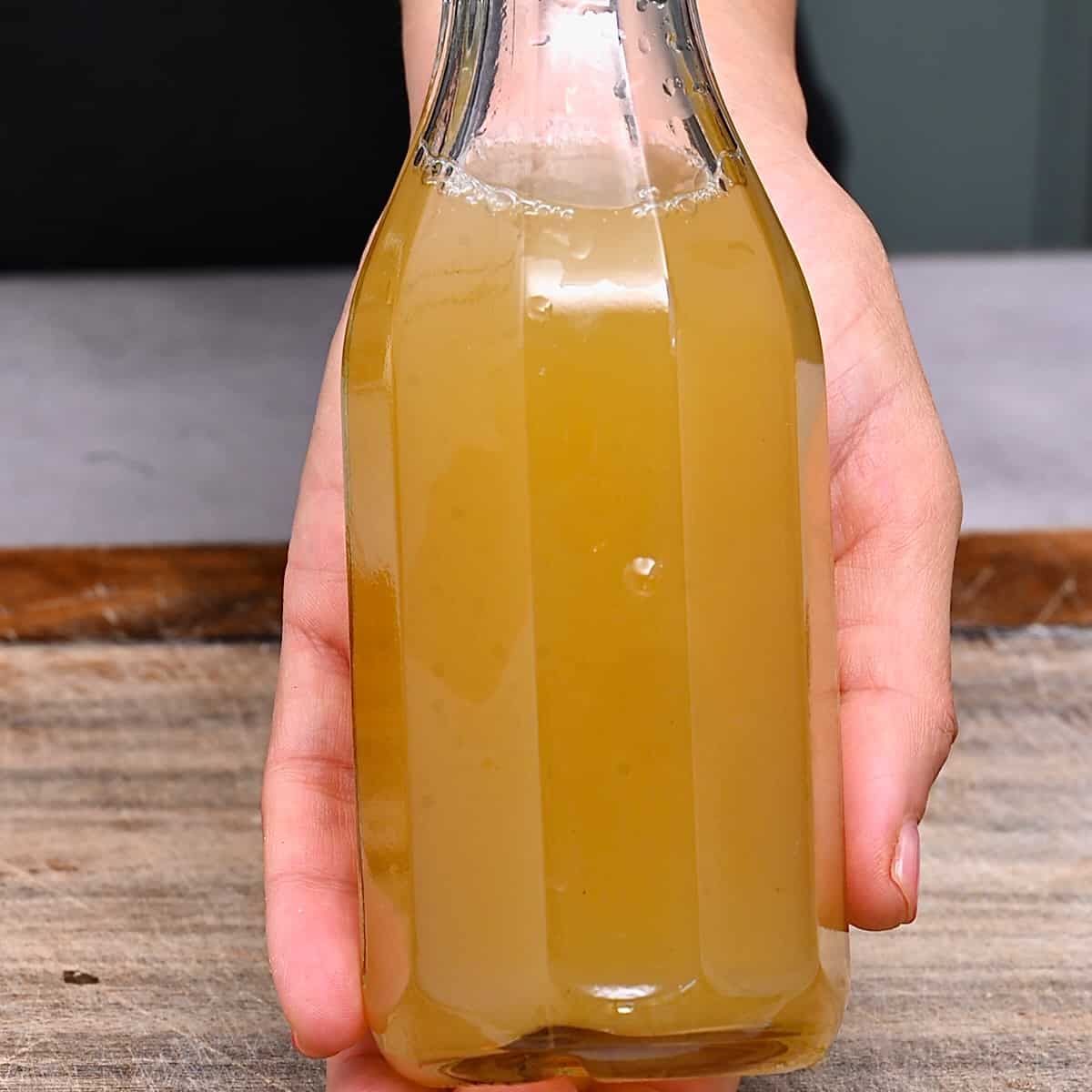
Embracing the Zero Waste Ethos: Why Homemade Ginger Syrup?
In a world increasingly conscious of its environmental footprint, finding ways to minimize waste in our daily lives has become more important than ever. From composting to choosing reusable products, every small step contributes to a larger, positive impact. One delightful and surprisingly impactful way to embrace sustainability in your kitchen is by crafting your own
zero waste ginger syrup. Far more than just a sweetener, homemade ginger syrup offers a vibrant, spicy kick to an array of beverages and dishes, all while ensuring you utilize every precious part of your ginger root.
Why go homemade? Beyond the undeniable freshness and superior flavor, creating your own ginger syrup drastically reduces reliance on store-bought alternatives that often come in single-use plastic bottles. It puts you in control of the ingredients, allowing you to avoid artificial additives and tailor the sweetness and spice to your exact preference. Furthermore, the true beauty of a
zero waste ginger syrup recipe lies in its potential to transform what might otherwise be discarded – ginger peels and spent pulp – into valuable resources. This article will guide you through the process, offering tips, insights, and creative ideas to make your ginger syrup an emblem of eco-friendly culinary practice. For a dedicated deep dive into a simple, peel-on method, you can explore
Make Zero Waste Ginger Syrup: Simple Recipe, Peel-On Option.
Crafting Your Eco-Friendly Ginger Syrup: The Step-by-Step Guide
Making your own ginger syrup is surprisingly simple, requiring just a few basic ingredients and minimal fuss. The core components remain consistent: fresh ginger, a sweetener, and water. However, the choices you make within these categories can significantly impact both the flavor profile and your eco-conscious goals.
Essential Ingredients for Your Zero Waste Ginger Syrup:
- Fresh Ginger Root: Opt for organic ginger whenever possible. This allows you to confidently use the peel, a powerhouse of flavor and nutrients, without concern for pesticides. Young ginger tends to be less fibrous and more aromatic. If fresh isn't available, thawed frozen ginger or homemade ginger paste (without oil or salt) can work in a pinch.
- Sweetener of Choice:
- Granulated Sugar: White granulated sugar is classic, yielding a clear, bright syrup. However, consider unrefined options like cane sugar, coconut sugar, or even brown sugar for a richer, more caramel-like depth and a darker hue.
- Honey: For a more complex, nuanced sweetness and a slightly thicker consistency, honey is an excellent alternative.
- Sugar-Free Alternatives: Sweeteners like erythritol or stevia can be used for a sugar-free version, though be aware these typically result in a thinner syrup. Adjust quantities to your desired sweetness level.
- Water: Filtered water is always recommended for the purest flavor, but tap water is perfectly fine.
The Simple Steps to Homemade Goodness:
- Prepare Your Ginger: This is where the zero waste magic begins! If using organic ginger, a thorough scrub is often all that's needed. You can grate, mince, or even thinly slice your ginger. For a more robust flavor quickly, grating or mincing provides maximum surface area for infusion. If you're intentionally keeping the peel on, which we highly recommend for an eco-friendly approach, your syrup might have a slightly darker, earthier tone – a testament to its whole-ingredient goodness.
- Combine and Heat: In a small saucepan, combine your prepared ginger, sugar (or chosen sweetener), and water. The classic simple syrup ratio is 1:1 sugar to water, but for a richer, thicker syrup, you can increase the sugar slightly (e.g., 1.5:1).
- Dissolve and Simmer: Place the saucepan over medium-high heat. Stir consistently until all the sugar has completely dissolved. Once dissolved, bring the mixture to a gentle boil. Reduce the heat to low-medium and let it simmer for about 20 minutes. This simmering period is crucial for allowing the ginger's potent flavors to infuse into the syrup. The longer you simmer, the thicker your syrup will become as water evaporates.
- Steep for Enhanced Flavor: After simmering, remove the pan from the heat. Cover it with a lid and let the syrup steep. This allows for further flavor development as the ginger continues to release its aromatic compounds into the cooling liquid. Taste every 10-15 minutes until you reach your desired intensity.
- Strain and Store: Once the syrup has cooled to a manageable temperature and achieved your preferred flavor, strain it through a fine-mesh sieve to remove all the ginger pulp. For an extra clear syrup, you can line the sieve with cheesecloth. Pour your finished eco-friendly ginger syrup into a clean, sterilized airtight bottle or jar.
Enhancing Your Syrup: Flavor Variations
Don't be afraid to experiment! Ginger is incredibly versatile. Consider adding:
- Citrus: A few strips of lemon or lime peel (organic, of course!) or a squeeze of juice after straining can brighten the flavor.
- Spices: A pinch of red pepper flakes for a spicy kick, a vanilla bean for warmth, or a star anise for an exotic note.
- Herbs: Fresh mint or a sprig of rosemary can add an unexpected layer of complexity.
Beyond the Syrup: Maximizing Every Inch of Your Ginger
The true essence of a
zero waste ginger syrup doesn't end with the strained liquid. What about the "waste" products – the peels and the spent ginger pulp? These are far from useless! This is where we truly close the loop on sustainability.
Utilizing Ginger Peels:
If you chose to peel your ginger (though we encourage the peel-on method for organic ginger), don't throw those peels away!
- Ginger Tea Base: Simmer peels in hot water for a soothing, mildly flavored ginger tea. Add a slice of lemon and a dash of honey.
- Stock Booster: Toss clean ginger peels into your next vegetable or chicken stock for an aromatic boost.
- Candied Peels: With a little extra effort, you can turn thicker organic peels into delightful candied treats.
Repurposing Spent Ginger Pulp:
After straining your syrup, you're left with a flavorful, fibrous pulp. This is culinary gold waiting to be discovered!
- Baking Ingredient: Incorporate the moist pulp into muffins, quick breads, cookies, or even carrot cake for a subtle ginger flavor and added fiber.
- Smoothie Boost: Add a spoonful to your morning smoothie for an anti-inflammatory kick.
- Flavorful Spice Blend: Dehydrate the pulp in a low oven or food dehydrator until completely dry. Once brittle, grind it into a powder to create your own homemade ginger spice blend. Store in an airtight container.
- Compost: If all else fails, the pulp is excellent for your compost bin, returning valuable nutrients to the earth.
By consciously making these choices, you're not just making a syrup; you're participating in a cycle of resourcefulness that truly embodies the spirit of
zero waste.
Unleash the Versatility: Creative Uses for Your Homemade Elixir
Your freshly made
zero waste ginger syrup is a powerhouse of flavor, ready to elevate a multitude of drinks and dishes. Its robust, zingy profile makes it an indispensable ingredient in any kitchen focused on vibrant, natural flavors.
Beverage Brilliance:
- Cocktails & Mocktails: A staple in many craft cocktails, it pairs wonderfully with whiskey, rum, vodka, or gin. For non-alcoholic options, it’s fantastic in sparkling water with a squeeze of lime, or as the base for homemade ginger ale or ginger beer. Check out Ginger Syrup DIY: Reduce Waste & Craft Versatile Drinks for more beverage inspiration.
- Lemonades & Iced Teas: Transform a classic lemonade or iced tea into a refreshing, zesty concoction.
- Coffee & Hot Drinks: Stir a teaspoon into your coffee, chai latte, or hot toddy for a warming, spiced twist.
Culinary Creations:
- Dessert Drizzle: Pour over ice cream, fruit salads, pancakes, or waffles for an instant upgrade.
- Marinades & Glazes: The sweet and spicy notes are excellent in marinades for chicken, pork, or tofu. Reduce it slightly to create a beautiful glaze.
- Salad Dressings: Whisk it into vinaigrettes for an unexpected, vibrant flavor profile.
- Baking: Incorporate it into glazes for cakes or as a sweetener in ginger-spiced baked goods.
The possibilities are truly endless, limited only by your imagination!
Storage and Sustainability: Keeping Your Syrup Fresh and Your Conscience Clear
Proper storage is key to extending the life of your homemade
zero waste ginger syrup, allowing you to enjoy its fresh flavors for weeks to come.
Best Practices for Storage:
- Sterilize Your Containers: Before pouring in your syrup, ensure your bottles or jars are thoroughly cleaned and sterilized. You can do this by washing them in hot, soapy water, rinsing well, and then placing them in an oven at 250°F (120°C) for 10-15 minutes, or running them through a dishwasher's sanitizing cycle.
- Airtight Seal: Always store your syrup in airtight containers to prevent oxidation and contamination.
- Refrigeration: Homemade simple syrups, especially those with less sugar or added ingredients like citrus, should always be stored in the refrigerator.
- Shelf Life: Typically, a well-made ginger syrup will last for 3-4 weeks in the refrigerator. Syrups with a higher sugar content or those made with honey may last a bit longer. Always check for signs of spoilage like mold, off-smells, or cloudy appearance.
Continuing Your Sustainable Journey:
Making
zero waste ginger syrup is more than just a recipe; it's a mindful practice. By choosing organic ingredients, utilizing every part of the ginger root, opting for reusable containers, and reducing your reliance on commercially produced goods, you're actively contributing to a more sustainable lifestyle. Each bottle of homemade ginger syrup represents a step towards a healthier planet and a more flavorful kitchen.
Embrace the journey of culinary creativity and ecological responsibility. Your palate – and the planet – will thank you for it.