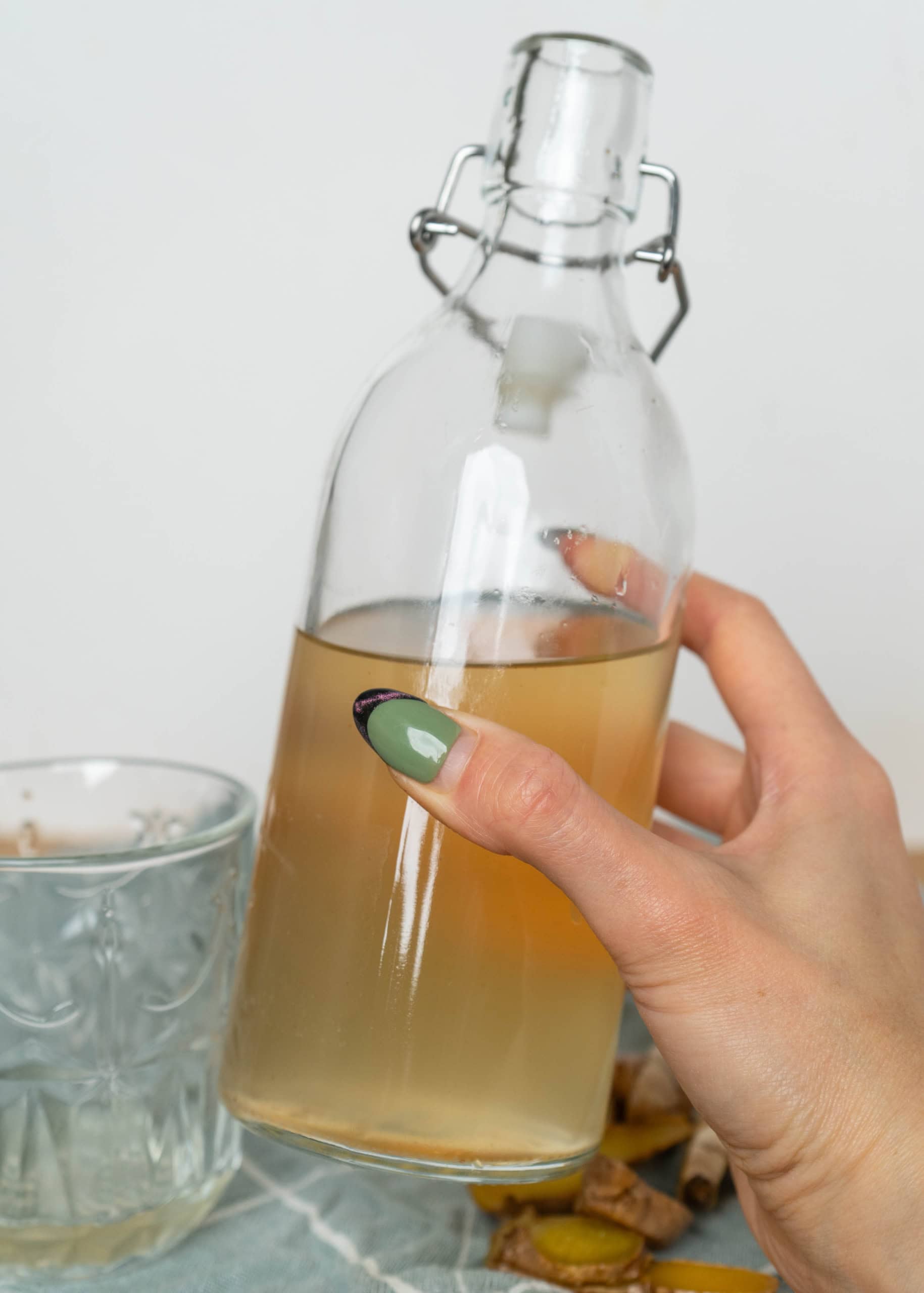
Ginger Syrup DIY: Reduce Waste & Craft Versatile Drinks
In a world increasingly focused on sustainability, finding ways to minimize waste in our daily lives, especially in the kitchen, has become a top priority. What if we told you that one of the most flavourful and versatile ingredients, ginger, could be transformed into a culinary powerhouse with virtually
zero waste? Enter homemade ginger syrup. This robust, zingy concoction is not just a treat for your taste buds, perfect for elevating cocktails, refreshing lemonades, and even desserts; it's also a testament to mindful consumption. By embracing a few simple techniques, you can craft a delicious, fresh ginger syrup that maximizes flavor while drastically reducing food waste. Let's dive into how to make this kitchen staple that will revolutionize your drink game and your sustainable cooking efforts.
What Makes Homemade Ginger Syrup So Special?
At its heart, ginger syrup is a simple infusion of fresh ginger root into a sugar-water solution. Yet, its impact on flavour is anything but simple. This humble blend creates a robust, spicy, and profoundly aromatic liquid that adds an unparalleled depth to anything it touches. Unlike store-bought versions that often contain artificial flavours or preservatives, your homemade ginger syrup is pure, fresh, and customizable.
The beauty of a well-made ginger syrup lies in its versatility. It can transform a basic glass of soda water into a sophisticated ginger ale, become the backbone of classic cocktails like a Moscow Mule or Dark 'n' Stormy, or even add a spicy kick to your morning tea or coffee. Beyond beverages, it’s an unexpected star in marinades, salad dressings, or drizzled over desserts for a unique sweet-spicy counterpoint.
Crafting your own allows for creative exploration. While the core recipe is straightforward – fresh ginger, a sweetener of choice, and water – you have endless possibilities to enhance its character. Imagine adding a touch of chili for a fiery kick, infusing it with fresh mint for a cooling sensation, or brightening it with citrus zest. A hint of vanilla can round out the spicy notes, making the syrup even more complex and intriguing. We'll explore these exciting variations later, but for now, let's focus on the foundation of a truly sustainable and flavourful
zero waste ginger syrup.
Embracing the Zero-Waste Ethos: Ingredients & Practices
The journey to a truly
zero waste ginger syrup begins with conscious ingredient selection and preparation. Every step offers an opportunity to minimize your environmental footprint while maximizing the flavour and nutritional value of your final product.
The star ingredient, of course, is **fresh ginger root**. For the best results and to fully embrace the zero-waste philosophy, we highly recommend selecting organic ginger. The main advantage of organic ginger, besides being pesticide-free, is that you can often leave the peel on! The skin of fresh, young organic ginger contains valuable oils and nutrients that contribute to the syrup's robust flavour and vibrant aroma. Leaving the peel on not only saves time but significantly reduces waste, turning what would typically be compost or discard into part of the flavour profile. Be aware that this might result in a slightly darker syrup, but the flavour benefits are well worth it. If you choose to peel your ginger, don't just toss those peels! They can be simmered in water to make a soothing ginger tea, added to vegetable stock for an aromatic boost, or even composted diligently. For more detailed instructions on this mindful approach, consider our guide on how to
Make Zero Waste Ginger Syrup: Simple Recipe, Peel-On Option.
Should fresh ginger not be readily available, frozen ginger (thawed first) or homemade ginger paste (ensure it's free of added oils or salt) can also be used.
Next, consider your **sweetener**. While white granulated sugar is standard, this is another area for customization and conscious choice. Cane sugar, coconut sugar, or brown sugar can all be used, each imparting a slightly different colour and depth of flavour to your syrup. For those watching their sugar intake, granulated erythritol or stevia are excellent sugar-free alternatives, though they will result in a thinner syrup consistency. Opting for locally sourced or ethically produced sweeteners can further enhance the eco-friendliness of your homemade creation.
Finally, **water** completes the trifecta. Filtered water is ideal for a clean taste, but tap water works perfectly fine.
Beyond the ingredients themselves, remember the small things that contribute to a truly
zero waste ginger syrup process. Store your finished syrup in reused glass bottles or jars, giving old containers a new lease on life. This simple habit keeps single-use plastic out of your kitchen and supports a circular economy.
Crafting Your Zero Waste Ginger Syrup: A Step-by-Step Guide
Making homemade ginger syrup is surprisingly straightforward, requiring just a few steps to transform simple ingredients into a versatile, flavour-packed liquid. Here’s how to do it, with an eye towards maximizing efficiency and minimizing waste.
1.
Prepare Your Ginger: If using organic ginger, consider keeping the peel on as discussed, simply giving it a good scrub. Otherwise, peel your ginger. Once clean, grate, mince, or finely chop the ginger. Grating or mincing increases the surface area, allowing for a more efficient and potent flavour extraction during the simmering process. While ginger slices can be used, they require a longer infusion time to achieve the same intensity.
2.
Combine & Heat: In a small to medium saucepan, combine your prepared ginger, your chosen sugar or sweetener, and water. Place the saucepan over medium-high heat. Stir the mixture continuously until the sugar has completely dissolved. This initial stirring is crucial to prevent sugar from scorching at the bottom of the pan and ensures an even solution.
3.
Simmer to Perfection: Once the sugar is dissolved, bring the mixture to a rolling boil. As soon as it boils, reduce the heat to low-medium. The goal is a gentle simmer, not a vigorous boil, to allow the ginger's essence to slowly infuse into the syrup. Let it simmer for approximately 20 minutes. This duration is typically enough for the ginger flavour to deeply permeate the liquid and for the syrup to begin thickening.
4.
Thicken & Steep (Optional): The longer you simmer the mixture, the thicker your syrup will become. For a rich, viscous syrup, you can also use a higher sugar-to-water ratio from the start. Remember that the syrup will continue to thicken significantly as it cools. After 20 minutes, if you desire an even more intense ginger flavour, remove the saucepan from the heat, cover it with a lid, and allow the ginger to steep further. Check the taste every 10 minutes or so until it reaches your preferred level of pungency. This steeping phase is key to extracting every last bit of flavour from your ginger.
5.
Strain and Store: Once your
homemade ginger syrup has reached your desired flavour and consistency, it’s time to strain it. Pour the entire contents of the saucepan through a fine-mesh strainer into a clean bowl or container. Press down on the ginger pulp with the back of a spoon to extract any remaining liquid and flavour. This step removes the fibrous ginger pieces, leaving you with a smooth, clear syrup.
And here's where the
zero waste ginger syrup magic truly shines with the strained ginger pulp! Don't throw it away! This flavourful pulp is a treasure trove of possibilities. Add it to your morning smoothie for a spicy kick, incorporate it into baked goods like muffins or cookies, mix it into oatmeal or yogurt, or even dry it out to make a unique ginger tea. For creative ways to utilize every single part of your ginger, refer to our article on
Eco-Friendly Ginger Syrup: Use Every Part for Homemade Goodness. Finally, pour your finished ginger syrup into clean, airtight bottles or jars. Store it in the refrigerator, where it will last for several weeks, if not months.
Beyond the Basics: Elevating Your Ginger Syrup & Its Uses
With your base
fresh ginger syrup ready, the fun truly begins. This isn't just a sweetener; it's a flavour enhancer, a medicinal aide, and a creative ingredient for countless culinary adventures.
Flavor Variations to Explore:
- Spicy Kick: For those who love heat, add a pinch of dried chili flakes or a small fresh chili pepper (deseeded for less intense heat) during the simmering stage.
- Citrus Brightness: Introduce strips of lemon or lime zest (avoiding the white pith) or a splash of fresh juice during the last few minutes of simmering or steeping for a vibrant, zesty aroma.
- Aromatic Depth: Experiment with whole spices like star anise, green cardamom pods, or a few black peppercorns added to the saucepan with the ginger. These will infuse a complex, warming aroma.
- Cooling Mint: A handful of fresh mint leaves added during the steeping phase, after the heat is off, will impart a refreshing, cooling counterpoint to the ginger's spice.
- Vanilla Comfort: A vanilla bean split lengthwise, simmered with the ginger, or a splash of pure vanilla extract added post-straining, will add a comforting, sweet undertone.
Versatile Applications:
- Beverages: This is where DIY ginger syrup truly shines.
- Cocktails & Mocktails: Essential for classics like the Moscow Mule, Dark 'n' Stormy, or Penicillin. Mix with sparkling water, lime juice, and a sprig of mint for a refreshing mocktail.
- Lemonade & Iced Tea: A natural sweetener that adds a delightful zing.
- Hot Drinks: Stir into hot tea or coffee for a soothing, spicy twist. It’s particularly comforting during colder months or when you feel a cold coming on.
- Ginger Shots: Blend with lemon juice and a dash of cayenne for a powerful wellness shot.
- Culinary Uses: Don't limit your ginger simple syrup to just drinks.
- Desserts: Drizzle over vanilla ice cream, fresh fruit salads, pancakes, waffles, or even a simple pound cake for an unexpected layer of flavour.
- Marinades & Dressings: Incorporate into marinades for chicken, pork, or tofu. It adds a lovely sweet-spicy element to vinaigrettes for green salads or noodle dishes.
- Baked Goods: Use as a glaze for sweet breads or pastries.
Stored correctly in a clean, airtight container in the refrigerator, your
homemade ginger syrup will maintain its freshness and potency for up to a month, though its robust flavour often means it's used up much faster!
Conclusion
Crafting your own
zero waste ginger syrup is more than just a recipe; it's a step towards a more sustainable and flavourful kitchen. By embracing techniques like keeping the peel on organic ginger and creatively repurposing the leftover pulp, you transform a simple root into a versatile elixir with minimal environmental impact. This homemade staple not only reduces waste but also provides a superior, customizable flavour that store-bought versions can't match. From revitalizing your daily drinks to adding an exciting new dimension to your culinary creations, the possibilities are endless. So, roll up your sleeves, gather your ginger, and embark on this delicious journey to a more mindful and flavourful way of living. Your taste buds and the planet will thank you.